Numbers, made useful.
Practical guides for the calculations that come up in everyday life. Follow a worked example, understand the assumptions, and try the matching calculator.
15 articles
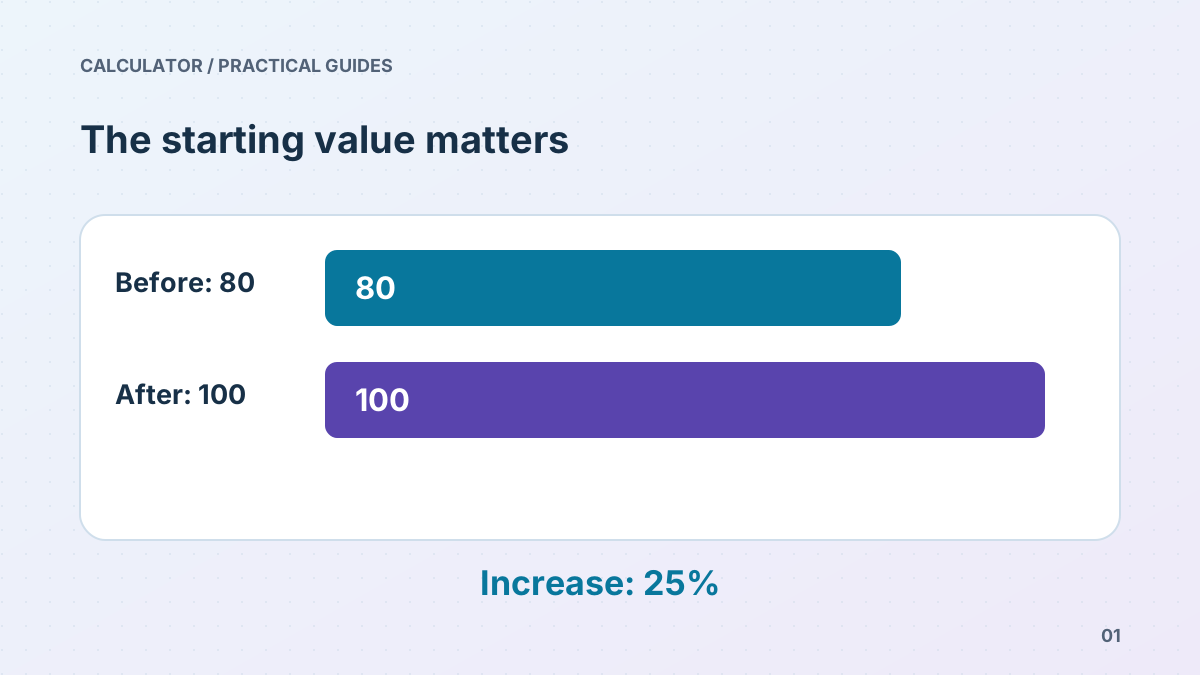
Percentage Change: Why the Starting Number Matters
Calculate an increase or decrease, distinguish percentage points, and understand why reversing a change gives a different percentage.
Read the guide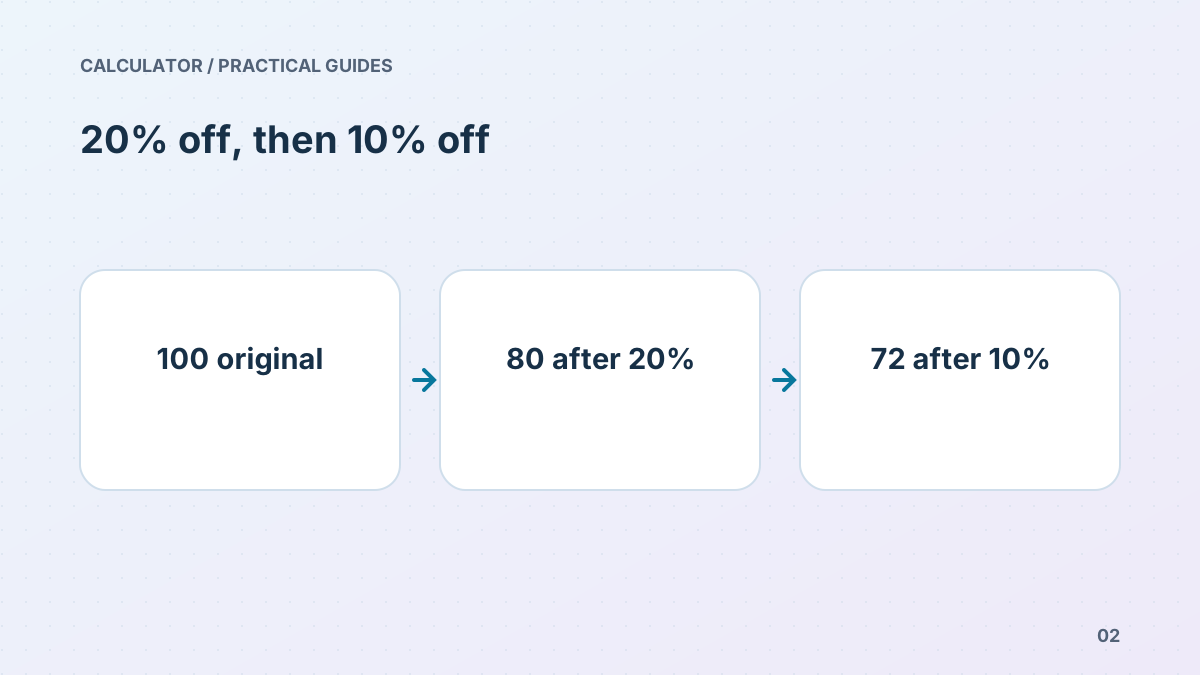
Two Discounts Do Not Simply Add Together
Work out successive discounts, find the effective reduction, and reverse a sale price to recover the original amount.
Read the guide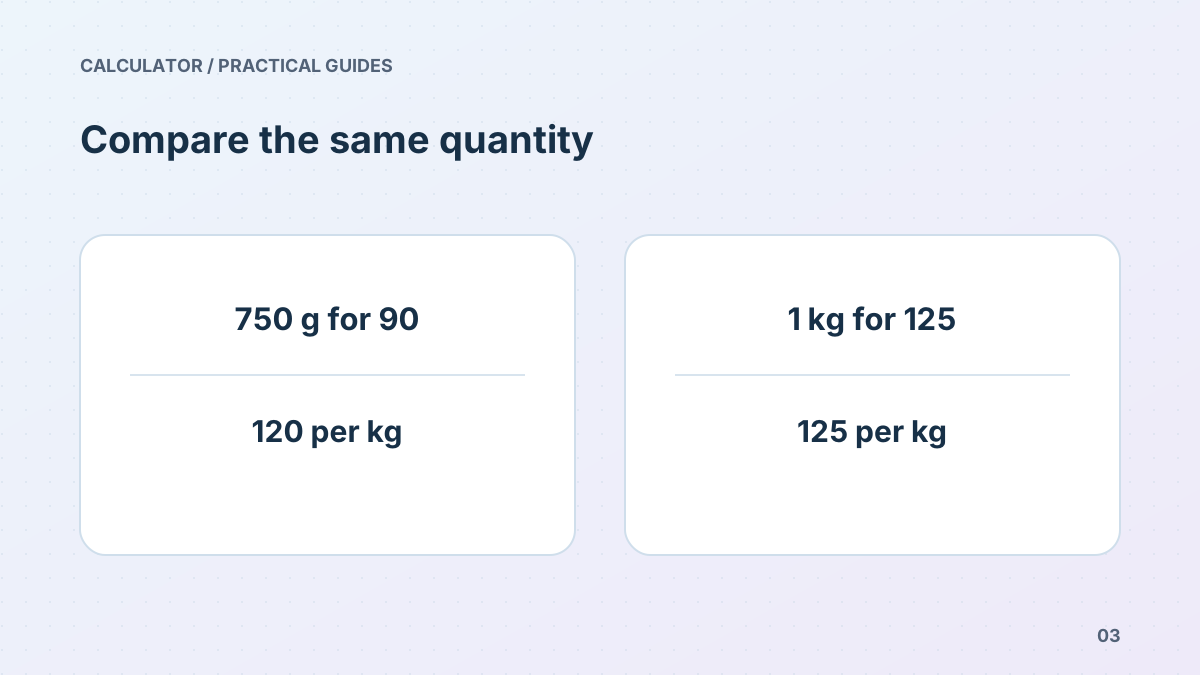
Compare Unit Prices Without Being Misled by Pack Size
Put different pack sizes on the same basis, handle grams and kilograms, and compare multipacks with a worked example.
Read the guide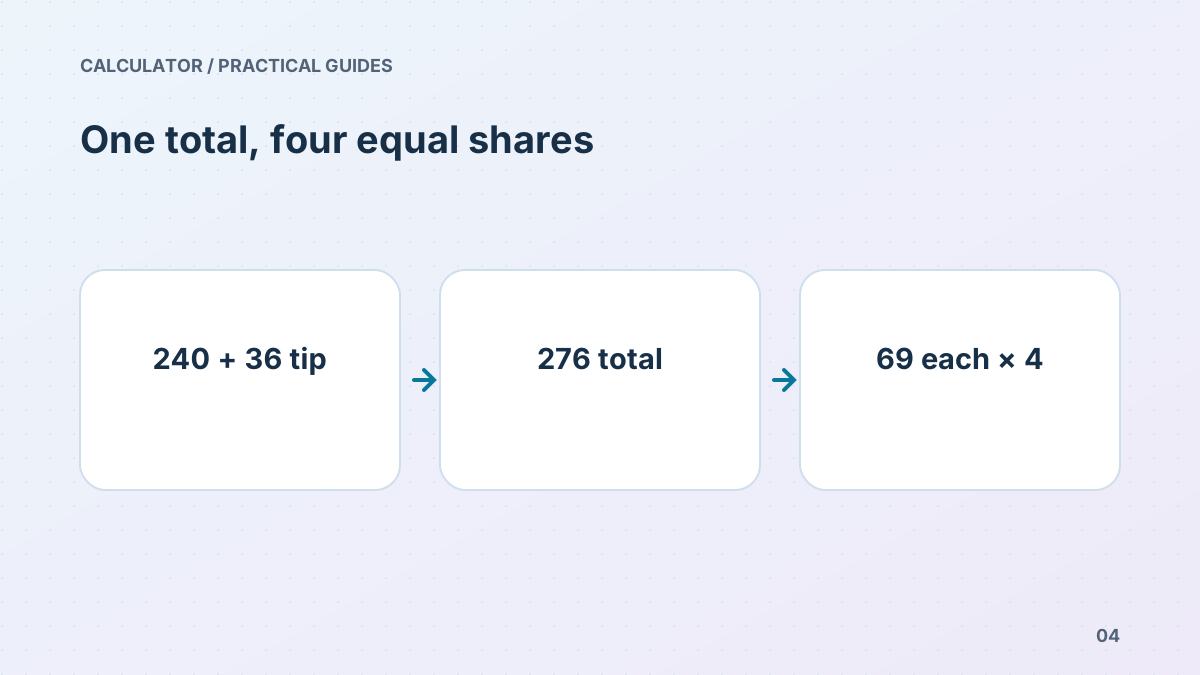
Split a Bill and Tip Without Losing Track of the Total
Calculate a shared bill, apply a tip once, and distribute rounding remainders so everyone’s payment adds up.
Read the guide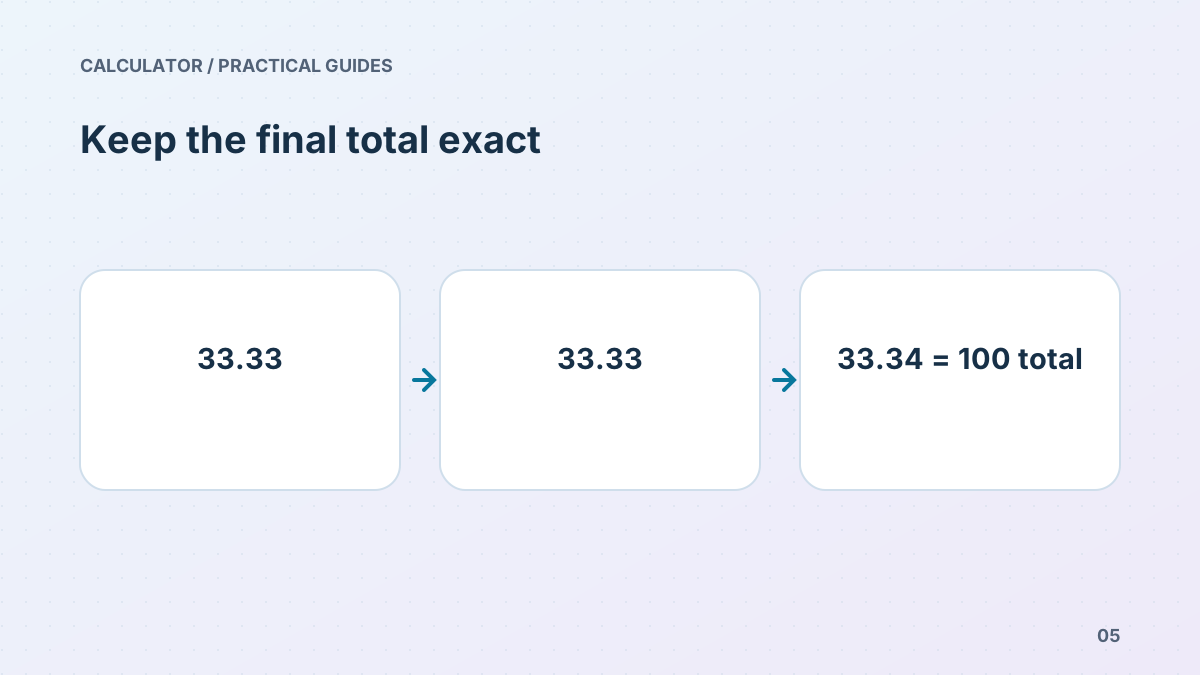
When to Round: Small Decimal Choices That Change a Total
Understand intermediate rounding, line-item totals, and leftover cents using clear examples and reproducible steps.
Read the guide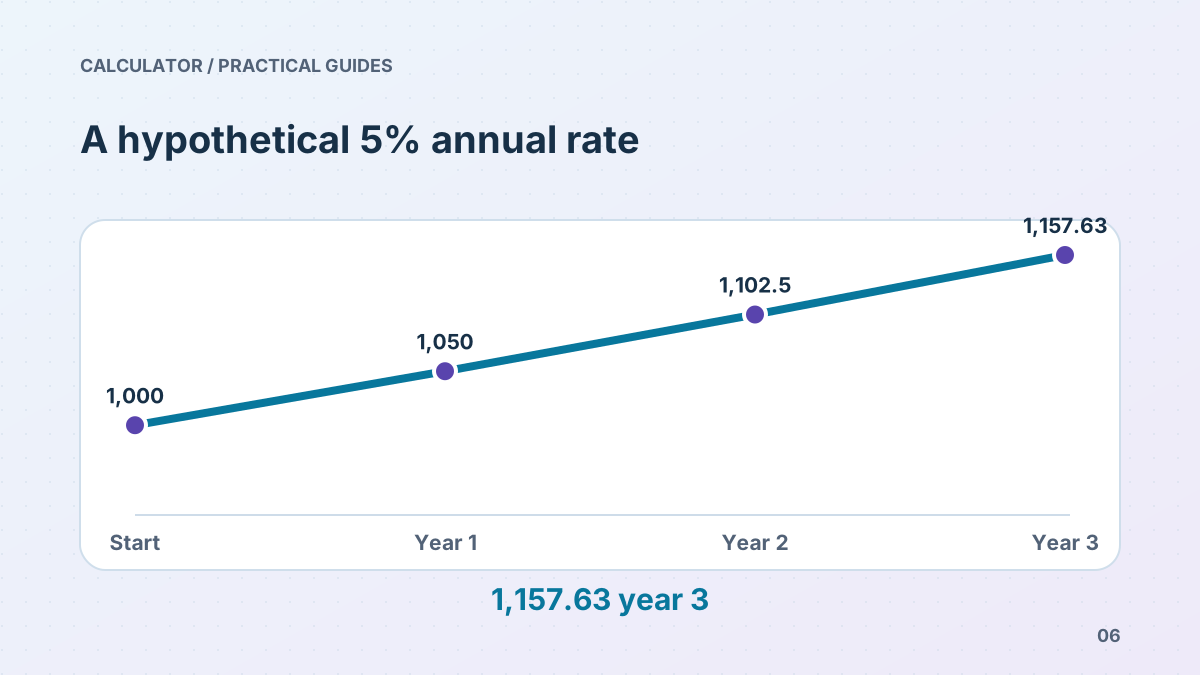
Simple and Compound Interest: Follow the Balance Year by Year
Compare simple and compound interest with a hypothetical fixed-rate example, and separate a model from a promised return.
Read the guide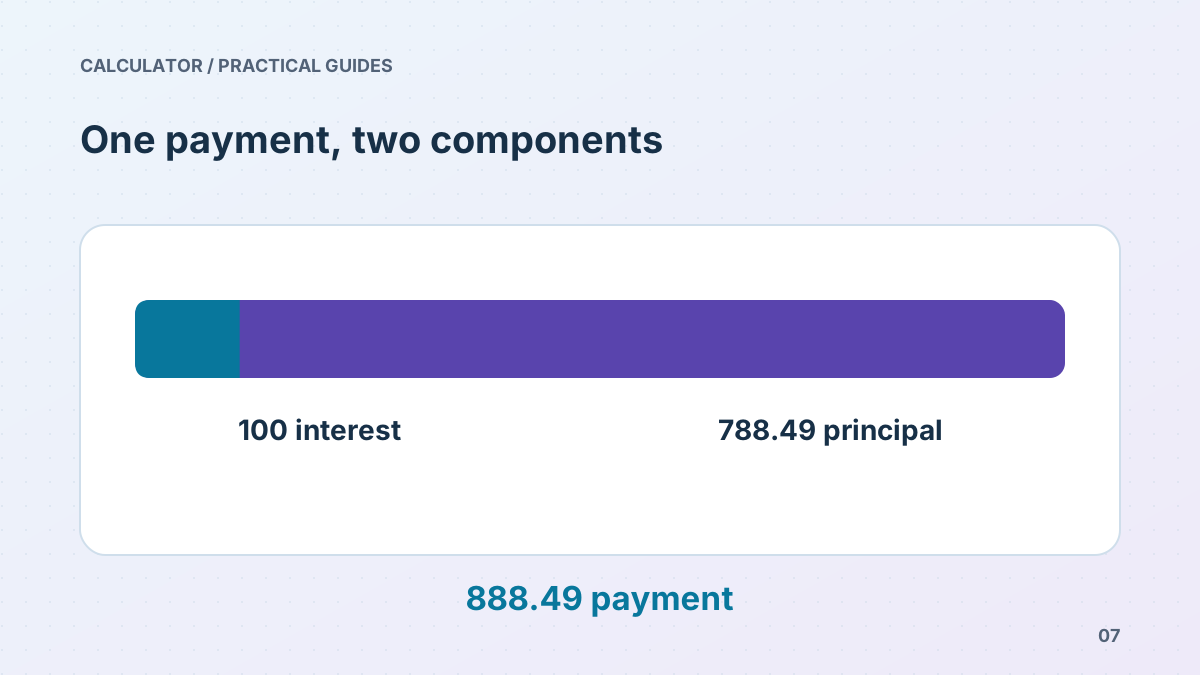
What a Loan Payment Contains: Principal, Interest, and the Remaining Balance
Understand a standard fixed-rate amortizing payment with a worked monthly example and a clear separation of fees.
Read the guide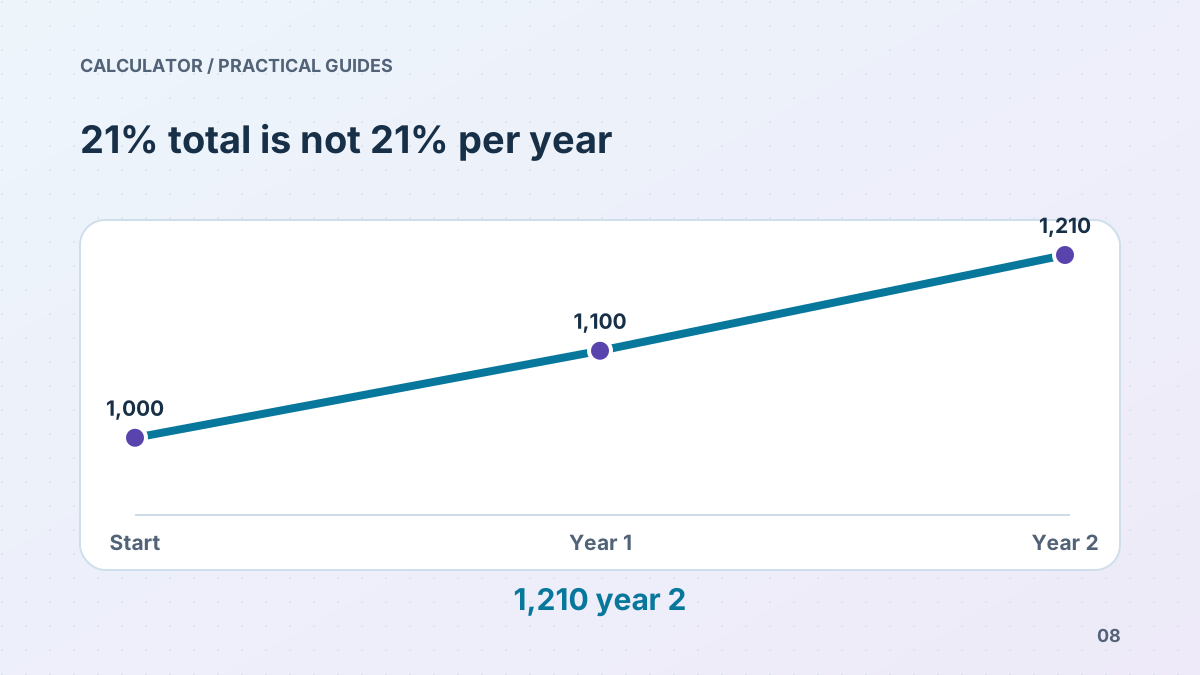
Total Return and Annualized Return Answer Different Questions
Compare a total gain with its equivalent compound annual growth rate, and understand when contributions make the shortcut unsuitable.
Read the guide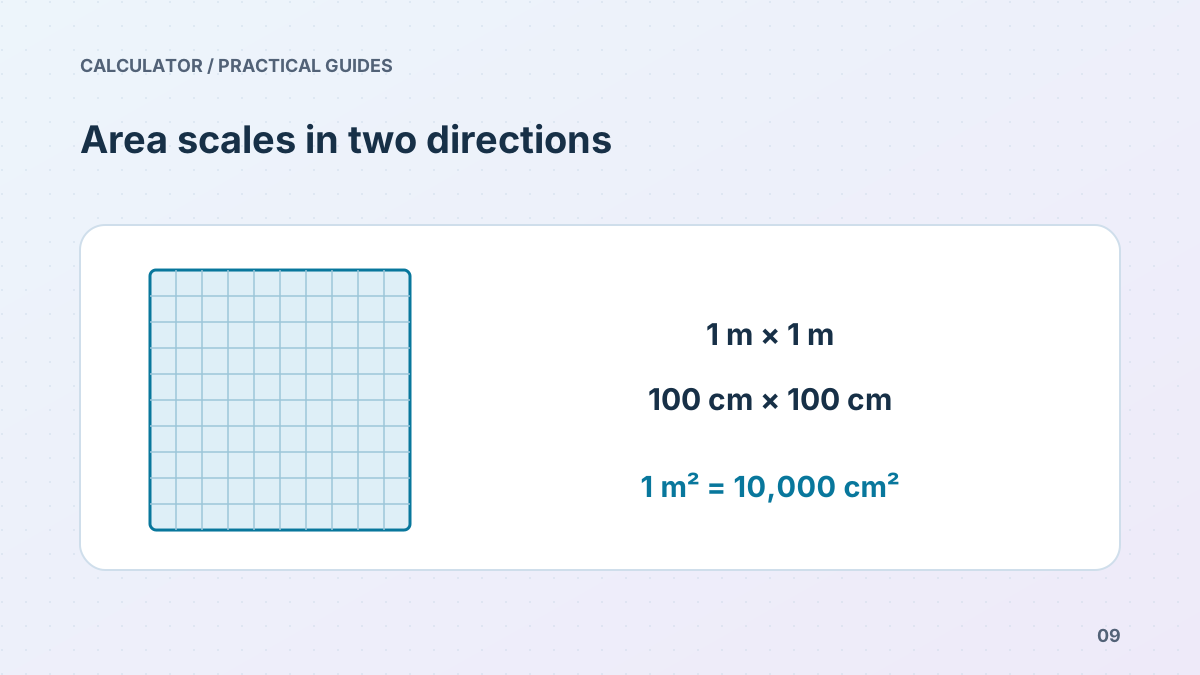
Why Area Conversions Need a Squared Conversion Factor
Convert square metres and square centimetres correctly, distinguish area from perimeter, and avoid a common factor-of-100 mistake.
Read the guide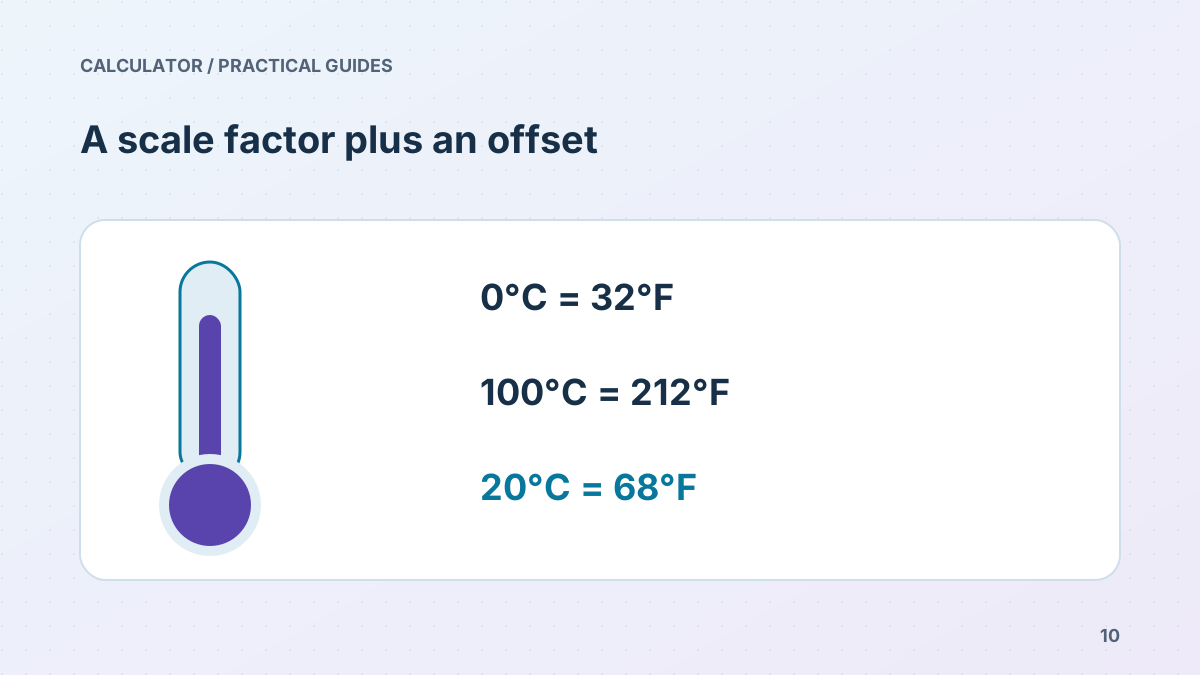
Celsius and Fahrenheit: Convert Temperatures and Temperature Changes
Apply the offset and scale factor correctly, and see why a temperature reading differs from a temperature interval.
Read the guide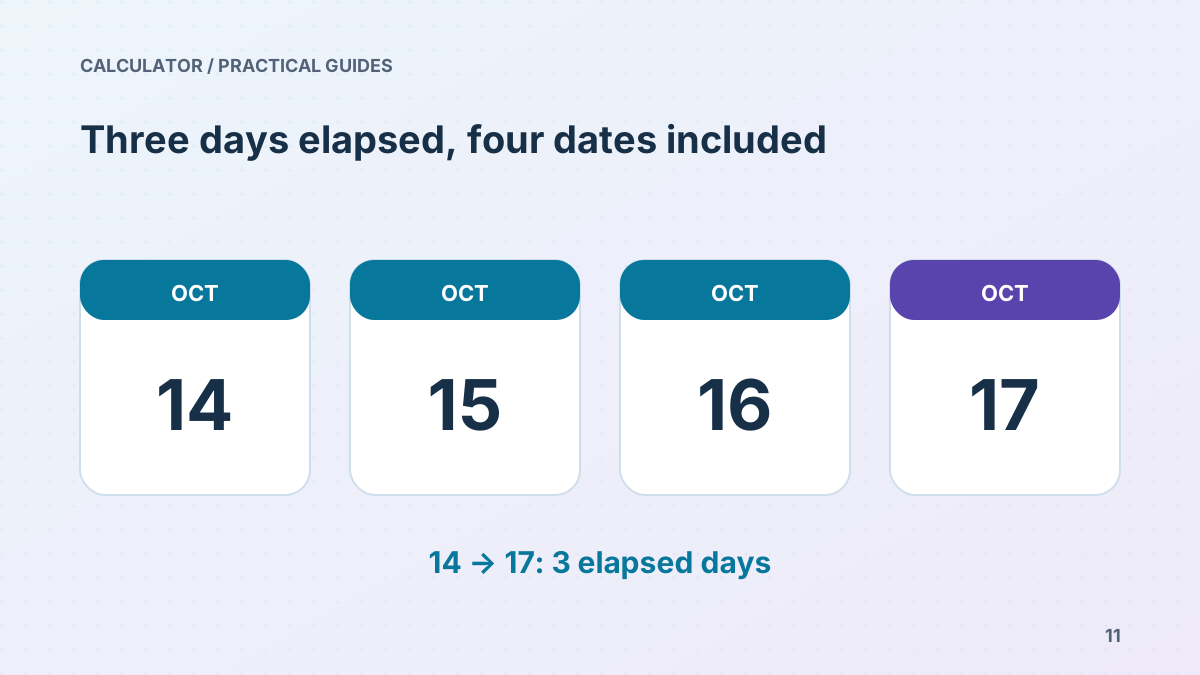
Days Between Dates: Elapsed Days and Inclusive Counts
Choose whether to include both endpoints, distinguish calendar days from working days, and check a simple date interval.
Read the guide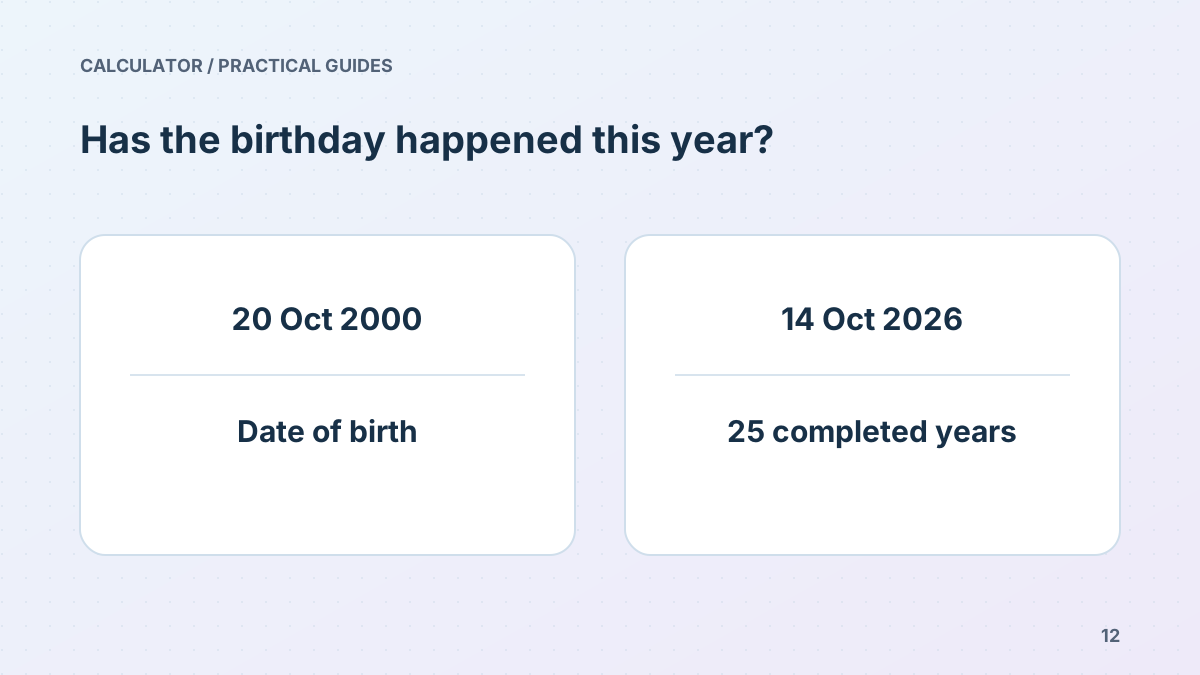
Calculating Age Means Comparing Calendar Dates
Calculate completed years accurately, understand why days divided by 365 can be misleading, and handle leap-day edge cases.
Read the guide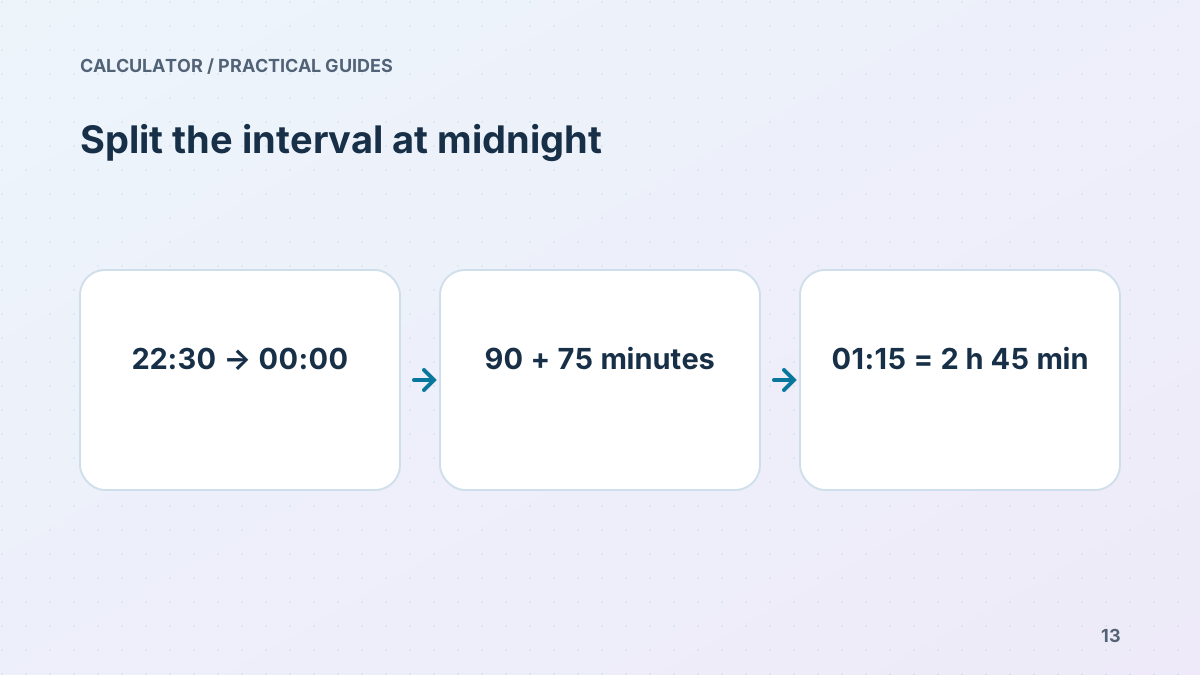
Calculate a Time Difference That Crosses Midnight
Convert clock readings to minutes, add the next-day boundary correctly, and distinguish local clock time from elapsed time.
Read the guide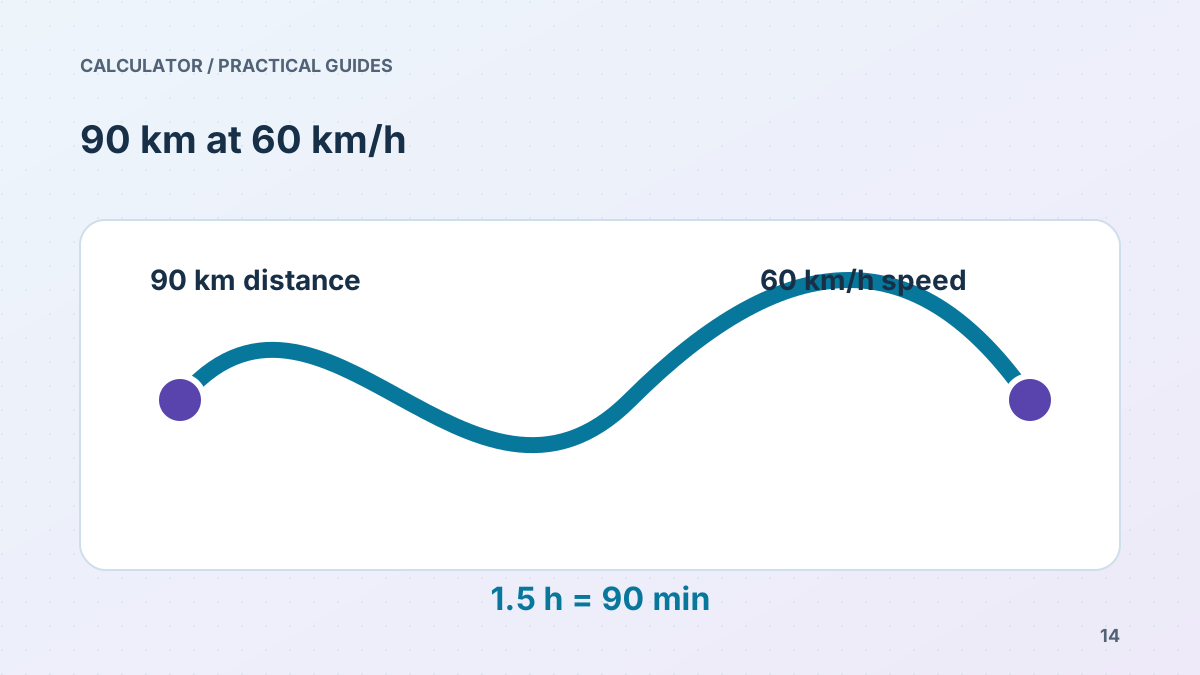
Speed, Distance, and Time: Put the Units in Agreement First
Use the distance-speed-time triangle correctly, convert minutes to hours, and distinguish moving speed from trip-average speed.
Read the guide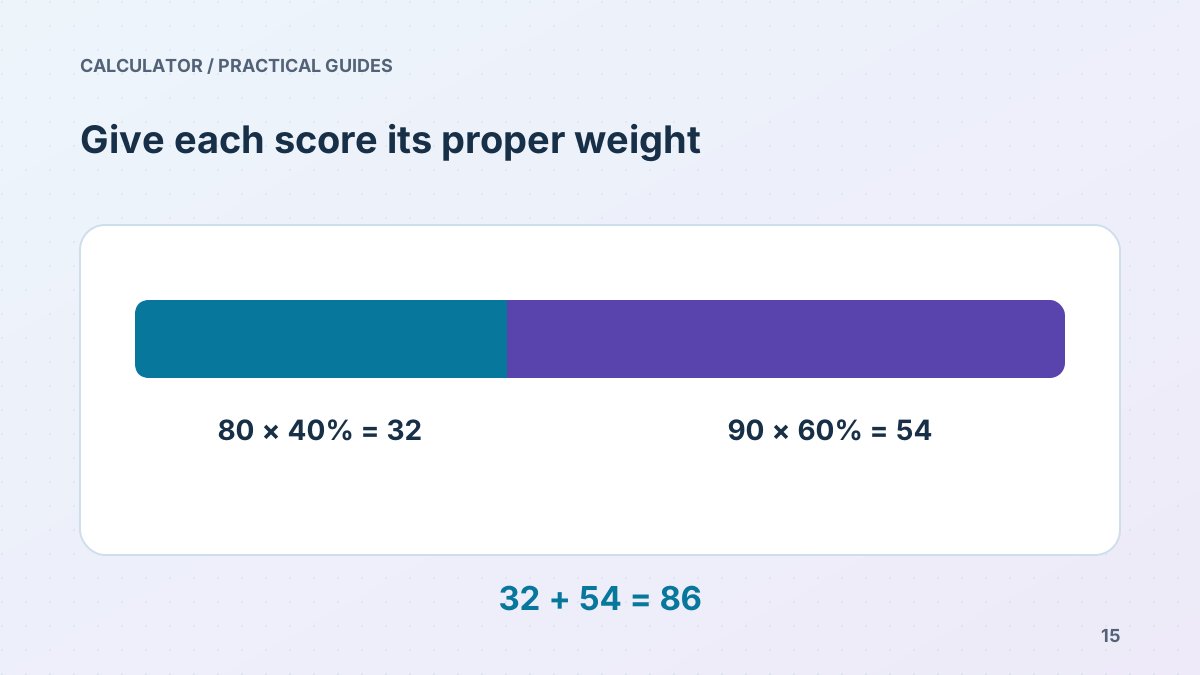
Weighted Averages: When Each Number Does Not Count Equally
Calculate weighted averages, handle counts and percentages, and avoid averaging averages without their original group sizes.
Read the guide